


How to Recognize Gum Disease in Pets
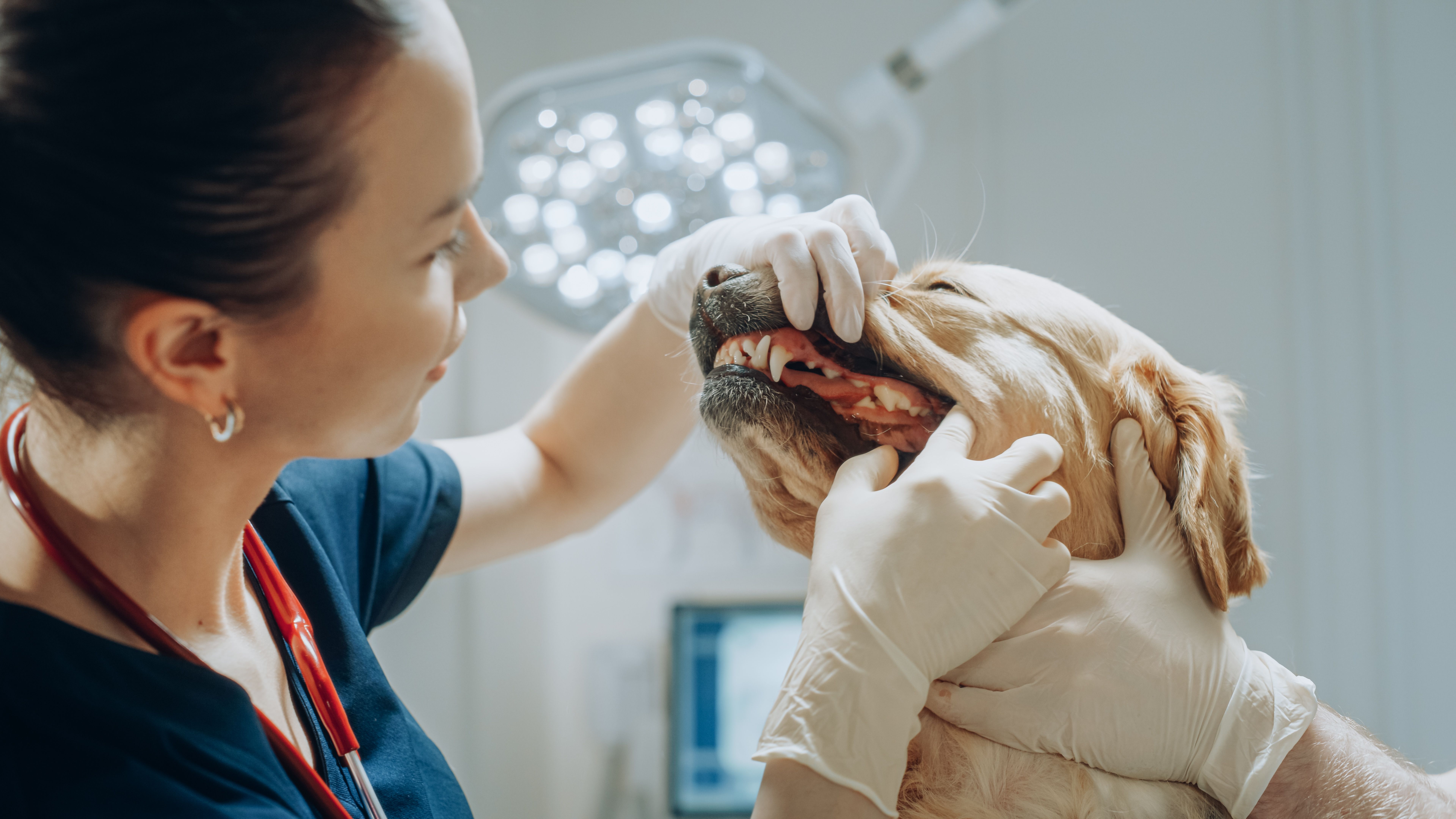
Gum disease in pets is one of the most common oral health problems seen in dogs and cats. It often starts quietly, with plaque buildup along the gumline, then progresses into inflammation, infection, and damage to the tissues that support the teeth. Recognizing the early signs can help protect your pet’s comfort, health, and quality of life.
What Is Gum Disease in Pets?
Gum disease develops when plaque and bacteria build up on the teeth and under the gums. Over time, this can irritate the gums, cause infection, and lead to tooth loss if not treated. In more advanced cases, oral bacteria may also affect your pet’s overall health. Dogs and cats cannot tell you when their mouth hurts, so changes are often noticed through behavior, breath, and eating habits.
Common Signs to Watch For
Some symptoms of gum disease are easy to miss at first. Pets may continue eating and acting normally even when dental disease is already developing.
- Bad breath that does not go away
- Red, swollen, or bleeding gums
- Yellow or brown buildup on the teeth
- Drooling more than usual
- Pawing at the mouth or face
- Trouble chewing or favoring one side
- Decreased interest in food or hard treats
- Loose or missing teeth
Why Early Detection Matters
Gum disease is more than a cosmetic issue. Inflamed gums can be painful, and untreated infection can worsen over time. What begins as mild gingivitis may progress into deeper periodontal disease that affects the roots, bone, and surrounding tissues.
Early recognition gives your veterinarian the chance to evaluate the problem before it becomes more serious. Prompt care may help reduce pain, preserve teeth, and improve your pet’s daily comfort.
Which Pets Are More at Risk?
Any pet can develop gum disease, but some are more likely to experience it. Smaller dog breeds often have a higher risk because of crowding in the mouth. Older pets may also be more prone to plaque buildup and dental problems over time. Cats can develop significant dental disease as well, even when outward signs seem minor. Routine exams are important because some dental issues are hidden below the gumline and may not be visible at home.
When to Schedule a Dental Evaluation
If you notice signs of gum disease in your pet, it is a good idea to schedule a veterinary dental evaluation. Even mild bad breath or gum redness can point to a problem that needs attention. Regular checkups also help identify changes before they become advanced.
If you have noticed bad breath, red gums, or other signs of dental problems, contact Border Animal Hospital for your pet’s dental care. Visit our office in Weslaco, Texas, or call (956) 968-3858 today.


Hours
Monday 7:00am - 6:00pm
Tuesday 7:00am - 6:00pm
Wednesday 7:00am - 6:00pm
Thursday 7:00am - 6:00pm
Friday 7:00am - 6:00pm
Weekend Urgent Care
Saturday 8:00am - 5:00pm
Sunday 8:00am - 5:00pm
Monday 7:00am - 6:00pm
Tuesday 7:00am - 6:00pm
Wednesday 7:00am - 6:00pm
Thursday 7:00am - 6:00pm
Friday 7:00am - 6:00pm
Weekend Urgent Care
Saturday 8:00am - 5:00pm
Sunday 8:00am - 5:00pm
Hours
Monday–Friday8:00 AM–5:00 PM
Saturday–Sunday8:00 AM–12:00 PM
Monday–Friday8:00 AM–5:00 PM
Saturday–Sunday8:00 AM–12:00 PM
Powered by: 